
The Advantages of Mobile Veterinary Services for Solo Practitioners and Clinics
Whether you’re a solo practitioner building your first client base or an established clinic looking to grow, offering mobile veterinary services brings real advantages — for your patients, your clients, and your bottom line.
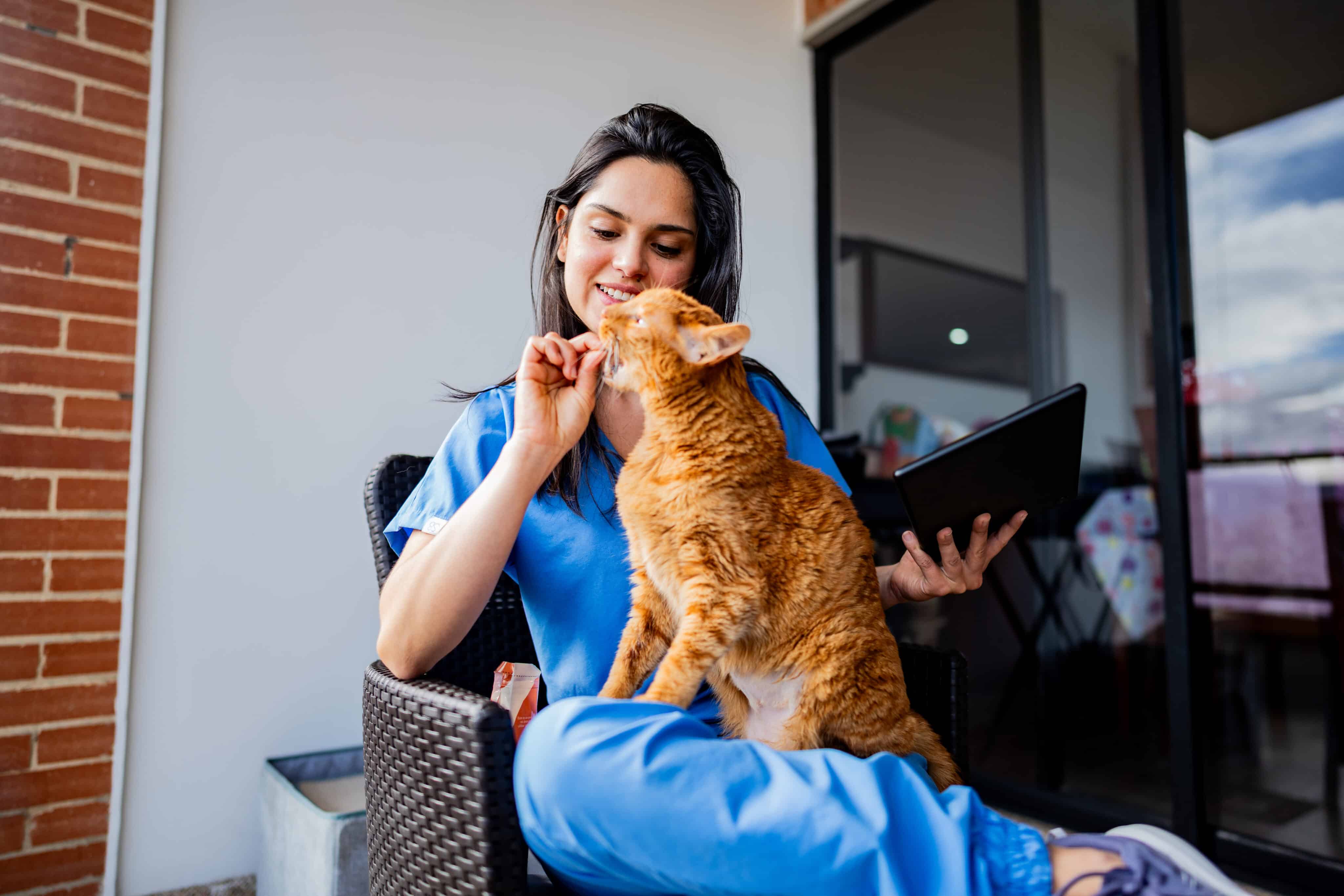
You went into veterinary medicine to give pets long, healthy lives full of squeaky toys and belly rubs. Mobile veterinary services let you do that while also building a practice that works better for you — stronger client relationships, more flexibility, and often, a healthier bottom line. Here’s why so many vets, solo and established alike, are adding mobile care to how they practice.
What’s in this guide
Why Owners Are Asking for Mobile Veterinary Services
Pet owners are turning to mobile care for reasons that go well beyond convenience — though convenience is a big part of it.
Care from the comfort of home
Between careers, families, and everything else on a client’s plate, fitting in a clinic visit during business hours is hard. A mobile appointment comes to the front yard instead.
No more travel trauma
Motion sickness, unfamiliar car rides, and crowded waiting rooms all add stress a pet — and their owner — would rather skip entirely.
Care regardless of mobility
For owners or pets with limited mobility, a visit that comes to them can be the difference between getting care and going without it.
Ease for multi-pet households
Every pet in the house gets seen in one visit, instead of juggling separate trips or a chaotic single car ride with the whole crew.
The Client Relationships Mobile Care Builds
In a traditional clinic, tight scheduling often leaves little room to really get to know a patient. Mobile visits flip that. The flexibility of a mobile schedule gives you time to build real trust with anxious or stressed pets — even scheduling a low-key “meet and greet” before a first real exam, so a pet learns to see you as a friend first.
That one-on-one relationship pays off for patients and practice alike:
- Repeat business: owners who experience the difference mobile care makes tend to keep choosing it.
- Room to charge for the value you provide: clients who feel the convenience and comfort are often glad to pay for it.
- More accurate care: calmer, more compliant patients mean more reliable readings on blood pressure, heart rate, and temperature — all of which stress can distort.
How Loyal Clients Drive Growth
Mobile veterinary practices lean heavily on word of mouth, and personal relationships are exactly what generate it. Pet owners talk to other pet owners — at the dog park, at daycare pickup, on a walk — and a service that visibly improves their pet’s quality of life is the kind of thing they’re eager to pass along.
Make it easy to find you: a simple website, an active social presence, and a steady stream of Google reviews all help referrals convert. And since you’re mobile, an owner who reads a great review can book you no matter where in your service area they live.
The Schedule Freedom of Mobile Practice
As a mobile vet, the schedule is yours to design around your life, not the other way around.
How Mobile Services Support Your Bottom Line
If you already run a brick-and-mortar clinic, adding a mobile option is a practical way to grow — it frees up in-clinic space for higher-value procedures, helps offset overhead, and can even help attract and retain veterinary talent looking for schedule flexibility.
Clients who book a mobile appointment already understand they’re paying for convenience, which tends to mean fewer collections issues than traditional practices face. And for solo practitioners just starting out, a mobile unit sidesteps an entire category of costs a brick-and-mortar buildout requires — rent, leasehold improvements, utilities, building insurance, administrative staff, even marketing, since the vehicle itself acts as a rolling advertisement.
Not either/or
Mobile services and a physical clinic aren’t competitors — plenty of the strongest practices run both, using mobile visits to extend their reach while keeping the clinic focused on procedures that need a fixed location.
Ready to think through what launching or adding mobile services actually looks like? Start here: How to Start a Mobile Veterinary Business in 2026.
Bring mobile care to more of your clients
See how a purpose-built Wag’n Tails vet unit fits into your practice, whether you’re starting solo or expanding an existing clinic.
Sources: