

If you’re an associate veterinarian sitting in an exam room right now doing the math on relative value units instead of thinking about the patient in front of you, this guide is for you. You didn’t go to vet school to hit a corporate production quota. But you also have loans, maybe a non-compete, and definitely not $250,000 in savings sitting around. That’s exactly why this isn’t a “quit tomorrow” guide. It’s a three-year plan you can build quietly, one deliberate step at a time, while you’re still collecting a paycheck.
Associate or corporate-owned-practice veterinarians who are unhappy with where they work but not yet in a position to leave — and want a realistic, financially responsible path to owning a mobile veterinary practice within three years.
What’s in this guide
- Why mobile makes sense for a debt-conscious vet
- The 3-year framework at a glance
- Year 1 — Dream on paper, plan in private
- Year 2 — Build the business behind the scenes
- Year 3 — Order, outfit, and launch
- Mobile vs. brick-and-mortar: the real numbers
- 5 mistakes that slow this timeline down
- FAQ for corporate vets going mobile
Why mobile makes sense for a debt-conscious vet
Ownership has always been the frustrating part of the “should I stay in corporate medicine” conversation. Buying into or building a traditional clinic can run close to $1 million once you account for real estate, build-out, and equipment — a number that stops most associate vets before they even start planning. A mobile veterinary unit changes that math. Industry estimates put a fully outfitted mobile clinic startup at roughly a quarter of that cost, which is a very different conversation when you’re also carrying six figures of student loan debt.
It’s also not just about the money. Veterinarians who left traditional practice for mobile work have reported meaningfully better work-life balance in independent surveys, and mobile practice removes a lot of the overhead — staff, lease, hours you don’t control — that makes corporate medicine feel like a treadmill. None of that means it’s easy. It means it’s plannable, which is the whole point of this guide.
The 3-year framework at a glance
Think of this less like a countdown and more like three stacked phases. Each one has a job to do, and each one can happen almost entirely outside your current work hours.
Year 1: PlanFinancial audit, contract review, market research, and quiet groundwork — no vehicle purchase yet.
Year 2: BuildBusiness plan, financing pre-approval, legal structure, vehicle selection, and brand identity.
Year 3: LaunchOrder and outfit your vehicle, give notice on your terms, and open your doors.
Every yearKeep saving, keep documenting, keep the plan private until it’s ready to be real.
Year 1 — Dream on Paper, Plan in Private
Goal: know your numbers, know your contract, know your market. Spend nothing on a vehicle yet.
Months 1–3: The honest financial audit
- List every loan balance, interest rate, and minimum payment — student loans, credit cards, car, everything.
- Calculate your real monthly “survival number”: what you’d need to cover personal expenses if the practice earned $0 for the first 90 days.
- Open a dedicated high-yield savings account labeled for the practice. Even $200/month builds momentum and a paper trail.
- Pull your credit report and address anything that could affect vehicle financing later.
Months 4–6: Read your contract like a lawyer would
- Find your non-compete clause. Note the mileage radius, the time restriction, and whether it’s enforceable in your state — this varies significantly and changes your entire timeline.
- Check for non-solicitation language around clients and referring vets, separate from the non-compete.
- If anything is ambiguous, this is worth an hour with an employment attorney now rather than a costly surprise in Year 3.
Months 7–9: Research your market quietly
- Map existing mobile vet practices within your target radius using directories like the American Association of Mobile Veterinary Practitioners “Find a Practitioner” tool.
- Identify underserved service areas — rural stretches, senior communities, multi-pet households without an easy clinic option.
- Start a simple spreadsheet of potential service pricing based on what house-call and mobile practices in comparable markets charge.
Months 10–12: Start building your future, not just escaping your present
- Write down what your ideal mobile practice actually looks like: species mix, appointment pace, geographic radius, whether you’ll hire a tech in year one.
- Begin informal conversations with vendors, labs, and distributors — many will support new mobile practices with starter inventory or software discounts.
- Request a free vehicle and pricing guide from a specialty upfitter so you’re working with real numbers instead of guesses. Wag’n Tails’ Mobile Veterinary ROI & Startup Blueprint is built for exactly this stage — it lays out current van pricing, startup costs, and break-even timelines.
Year 2 — Build the Business Behind the Scenes
Goal: turn your plan into paperwork, financing, and a chosen vehicle — while your day job funds the down payment.
Months 1–3: Write the actual business plan
- Define your services, service radius, target client, and pricing structure in a formal document — even a lean one-page plan is enough to guide decisions and support a financing application.
- Decide on entity structure (LLC vs. PC vs. sole proprietorship) with a business attorney or accountant familiar with veterinary practices; rules vary by state.
- Research your state veterinary board’s requirements for mobile and ambulatory practice licensure through your state board and the AAVSB’s licensure guidance — this can take months, so start early.
Months 4–6: Choose your vehicle and get pre-approved
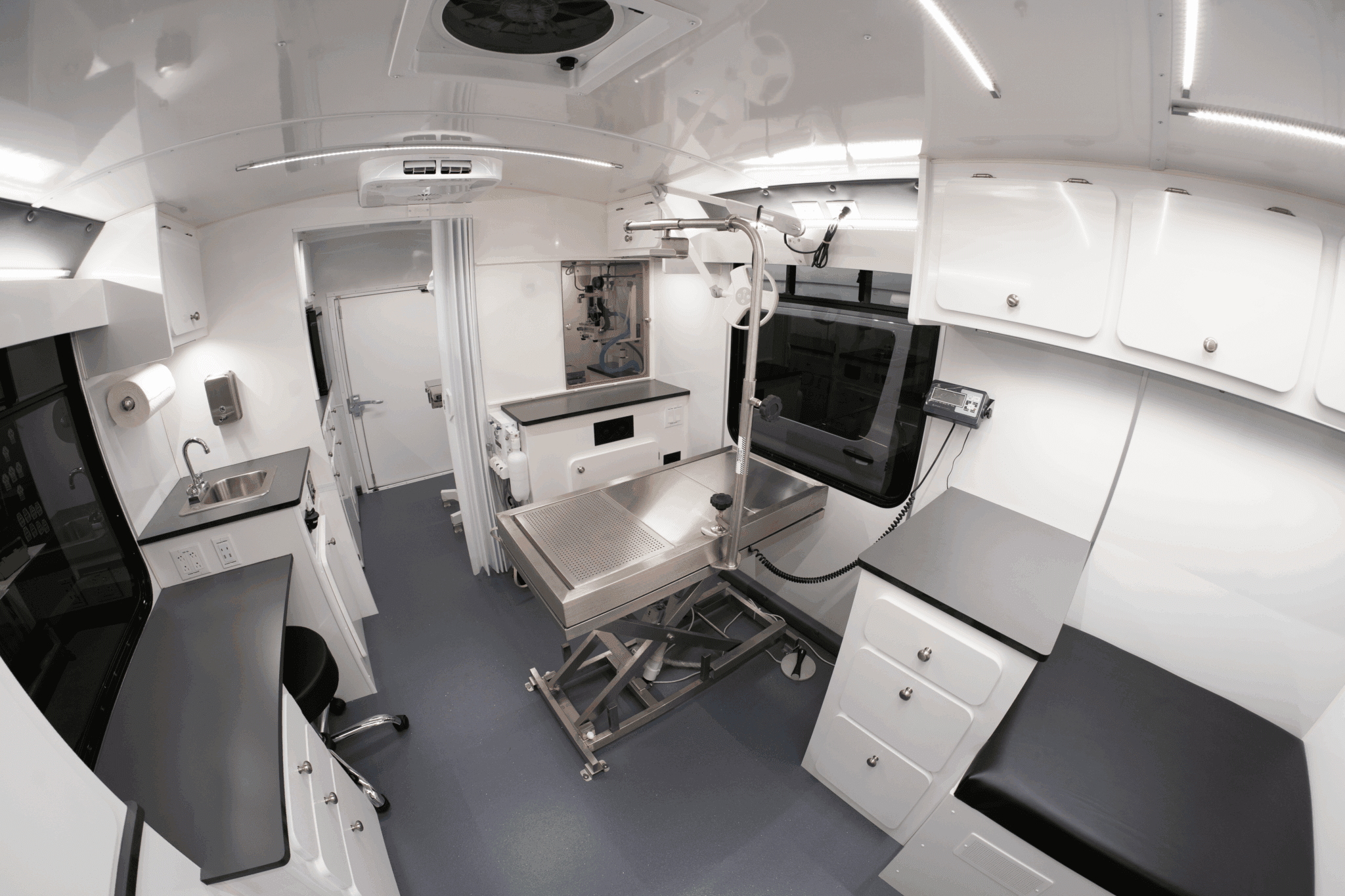
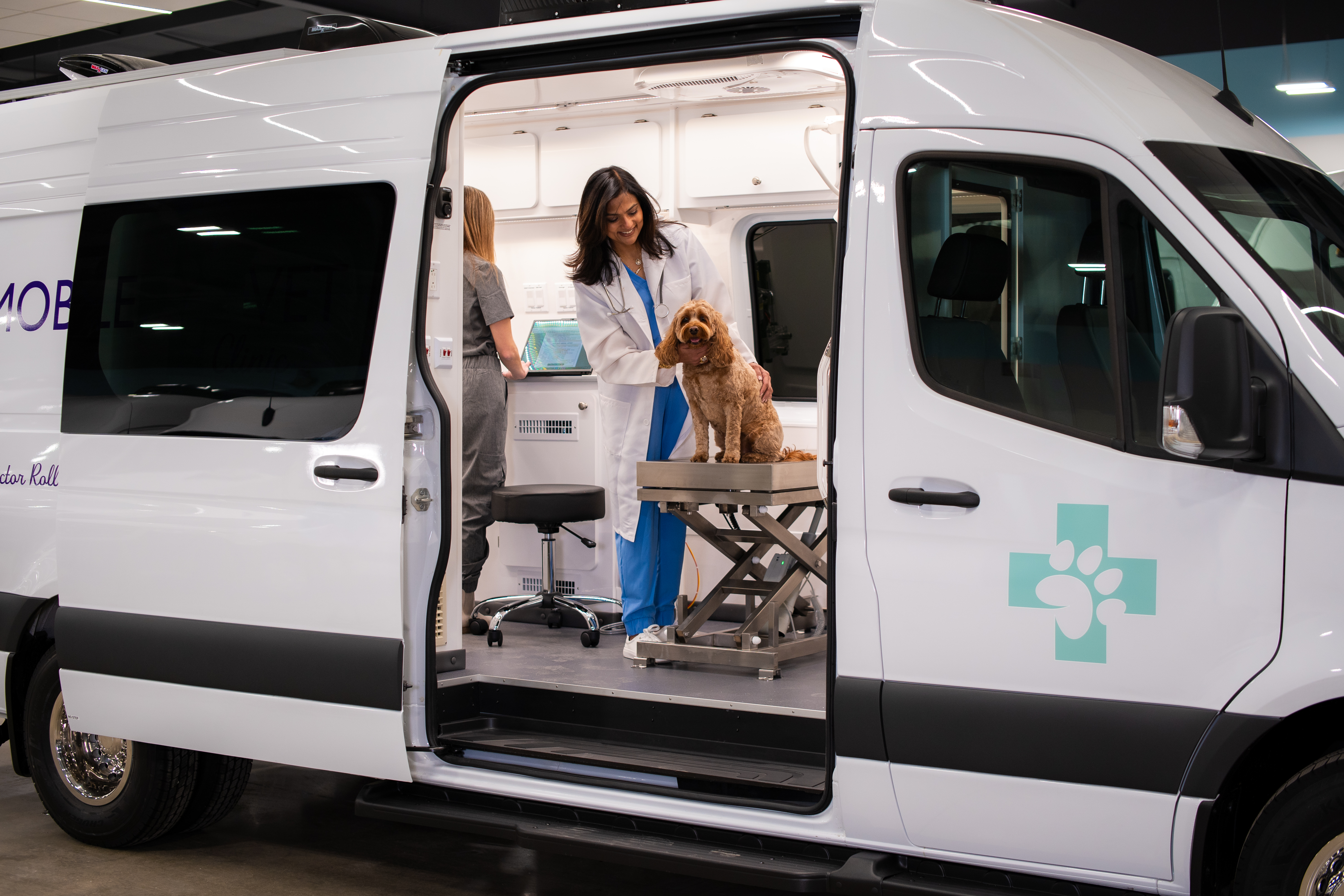
- Compare vehicle platforms based on your service mix and budget — for example, an economical option like the Dyna Well Pet Vet, a comfort-focused Sprinter build like the Supreme Well Pet Vet, or a large-format unit with a bathroom and room for 1–2 techs like the Elite Vet Classic.
- Apply for financing pre-approval. Most lenders that work with mobile veterinary vehicles will pre-qualify a start-up business, and pre-approval costs nothing and doesn’t obligate you to buy — it simply tells you where you stand.
- Ask about combined chassis-and-conversion financing (one monthly payment instead of separate loans for the vehicle and the build-out), and compare leasing if you’d rather preserve cash or have a lower credit profile.
Months 7–9: Build the brand and back office
- Choose a practice name, logo, and van wrap concept — your van is your biggest piece of advertising before you ever park it.
- Set up practice management software, a business bank account, and basic bookkeeping now so it’s not a scramble at launch.
- Get quotes on business/commercial auto insurance, professional liability (AVMA PLIT is a common resource for mobile-specific policies), and a Business Owner’s Policy.
Months 10–12: Start building referral relationships
- Introduce yourself to local shelters, rescues, senior communities, and groomers who might refer clients — relationships built a year before launch convert better than cold outreach at launch.
- Set a hard savings target for your cash reserve (many advisors recommend enough to cover 3–6 months of personal and business expenses) and track progress monthly.
- Confirm your non-compete timeline against your target launch date and start planning your resignation runway.
Year 3 — Order, Outfit, and Launch
Goal: place your vehicle order early enough to hit your launch window, then leave your job on your own terms.
Months 1–3: Place your vehicle order
- Order early. Custom conversion vehicles have production lead times, and pairing chassis availability with a build slot is often the longest pole in the whole three-year plan.
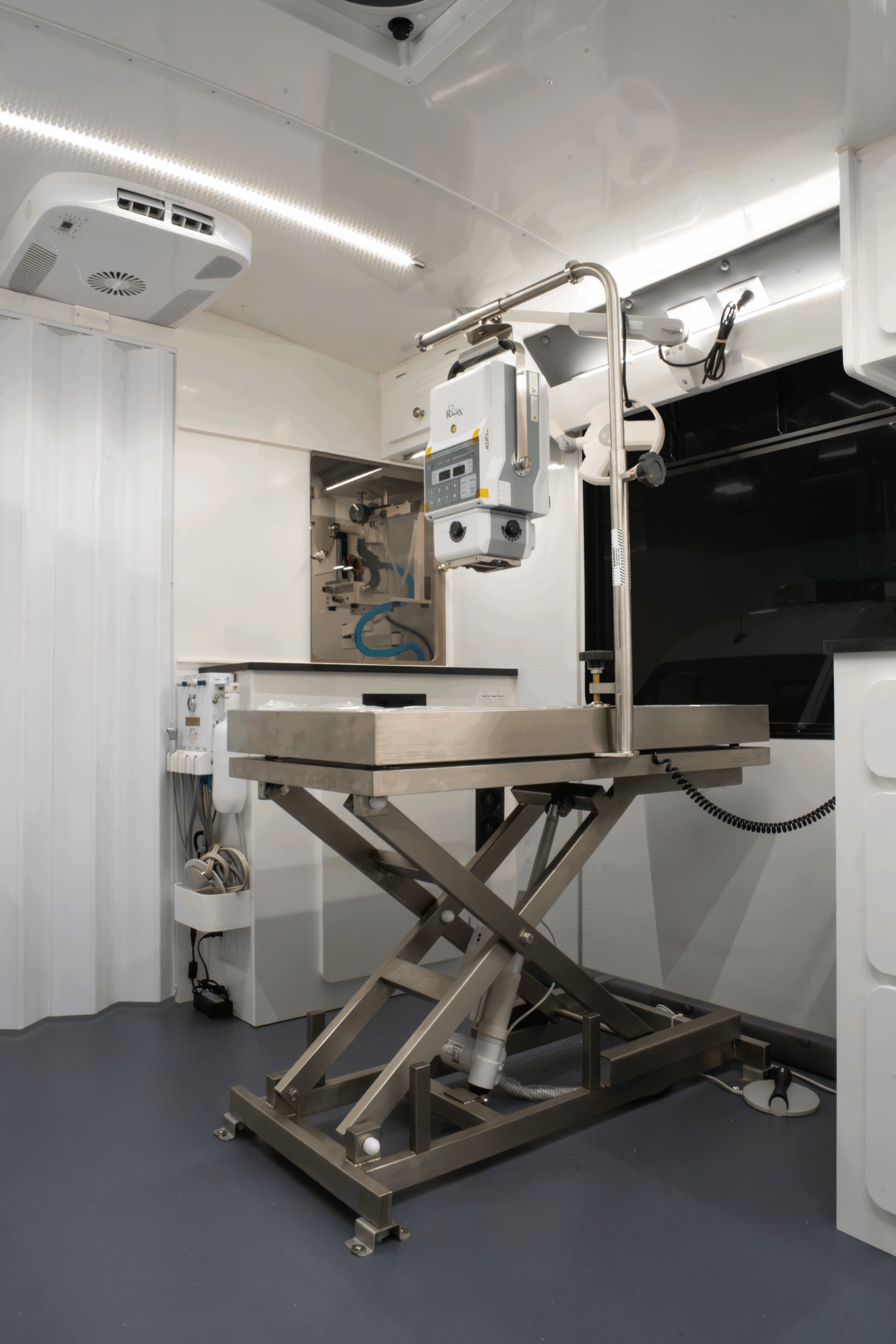
- Finalize your equipment list — lift table, digital X-ray, in-house lab, power system — balancing what you need on day one versus what can be added later.
- Lock in your commercial insurance and confirm your DEA registration and controlled substance storage plan meets your state’s requirements for mobile practice.
Months 4–7: Soft-launch while still employed, if your contract allows
- If your non-compete and employer allow it, some vets pick up limited relief or weekend mobile appointments to validate demand before going full-time — check your contract carefully before doing this.
- Finish your website, Google Business Profile, and booking system so they’re live and indexed before your first official appointment.
- Take delivery of your vehicle and schedule any manufacturer training or ride-along program to get comfortable with the layout and systems before day one.
Months 8–12: Give notice and open your doors
- Give appropriate notice to your current employer — a clean, professional exit protects references and referral goodwill in a small professional community.
- Announce your launch to the referral relationships and audience you built in Year 2, not for the first time in Year 3.
- Set a 90-day post-launch review to compare actual appointment volume and revenue against your business plan projections, and adjust pricing or radius as needed.
Mobile vs. brick-and-mortar: the real numbers
These are industry-reported ranges, not quotes — but they’re useful for putting your three-year savings target in context.
| Factor | Traditional clinic | Mobile veterinary practice |
|---|---|---|
| Typical startup cost | ~$1,000,000+ | ~$250,000 or less |
| Real estate / lease | Required | None |
| Staff to open | Often 4–8+ | Often 1–2 |
| Time to positive cash flow | Varies widely | Often within the first several months |
| Financing path | Commercial real estate + build-out loans | Combined chassis + conversion financing available |
Figures reflect commonly cited industry ranges and will vary by market, vehicle, and equipment package. Use your own startup blueprint and financing pre-approval for numbers specific to you.
5 mistakes that slow this timeline down
Discovering a 25-mile radius restriction after you’ve already picked your service area can cost you a full year. Get this answered in Year 1, not Year 3.
Custom conversion lead times can outlast your patience. If your target launch is Year 3, your order needs to go in early in that year, not after you’ve already given notice.
Even a lean practice needs a buffer for the first few months. Build this into your Year 1 and Year 2 savings target instead of hoping revenue arrives on schedule.
Shelters, rescues, and community partners take time to trust a new practice. Start those conversations in Year 2, well before you need the referrals.
State rules on mobile and ambulatory practice, controlled substance storage, and entity structure vary enough that a short consult with a veterinary-savvy attorney or accountant almost always pays for itself.
FAQ for corporate vets going mobile
Do I need three years to launch a mobile veterinary practice?
No — three years is a comfortable, low-risk timeline for a vet who is still paying off loans and working full-time. Some vets move faster if they have savings, no non-compete, or a spouse’s income to lean on. The framework compresses or stretches based on your starting point.
Can I keep my current job while planning this?
Yes, and you should. Nearly everything in Year 1 and most of Year 2 — research, saving, licensing paperwork, financing pre-approval — can happen without your employer knowing. Just be careful about non-solicitation clauses when it comes to talking with current clients or coworkers about your plans.
How much does a mobile veterinary vehicle cost?
It depends heavily on the platform and equipment package — an economical cargo van build will cost meaningfully less than a large-format unit with a bathroom and multi-tech workspace. A vehicle-specific pricing and financing guide, like Wag’n Tails’ startup blueprint, is the fastest way to get real numbers for your situation.
Is mobile veterinary work actually less stressful than corporate practice?
It trades one set of pressures for another. You lose corporate production quotas and rigid scheduling, but you take on the responsibilities of running a business. Many vets who’ve made the switch report better control over their schedule and client relationships — but it’s a different kind of work, not automatically an easier one.
What financing options exist for a start-up mobile vet practice?
Most lenders that specialize in mobile veterinary and grooming vehicles will pre-qualify start-up practices, often combining the chassis and conversion into a single monthly payment. Leasing is also common for vets who want to preserve cash or have a shorter credit history. Getting pre-approved costs nothing and gives you real numbers to plan around.
Ready to see what your numbers actually look like?
The Mobile Veterinary ROI & Startup Blueprint breaks down current vehicle pricing, startup costs, income projections, and financing paths — so you can turn this three-year plan into your plan.