
Why End-of-Life Veterinary Care Is Best Delivered at Home
Of all the hard conversations in veterinary medicine, few are harder than end-of-life care. Here’s why so many vets are choosing to have that conversation, and provide that care, in the place a pet feels safest — home.
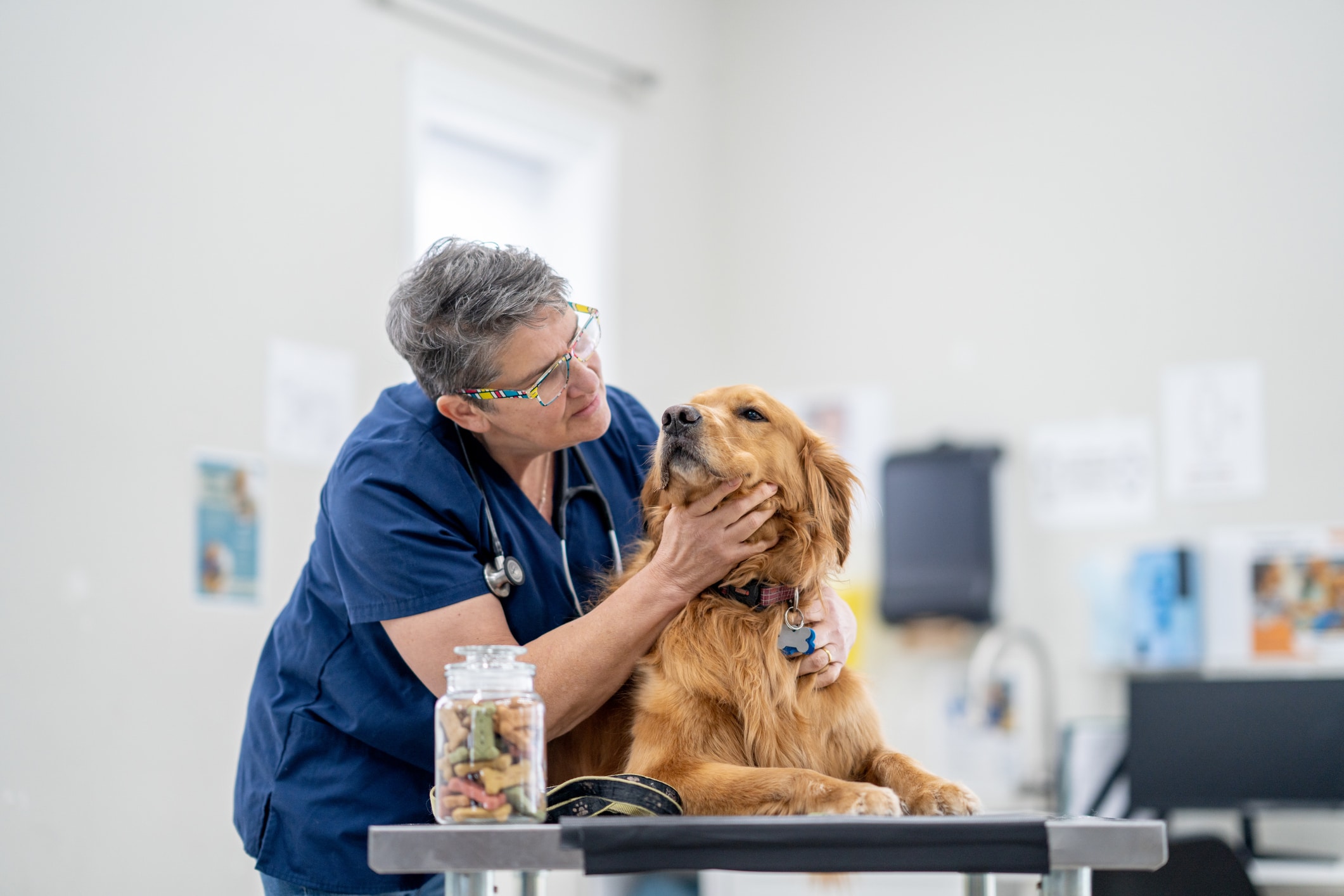
Pets give us their whole selves — unconditional love, quiet companionship at the end of a long day, a way of seeing the world with curiosity instead of cynicism. That’s exactly what makes end-of-life care one of the most emotionally weighty parts of veterinary medicine, for owners and providers alike.
As a mobile provider, you have the ability to make that difficult chapter a little gentler, by delivering end-of-life care in a pet’s own home — a place already full of memory and comfort, instead of the sterile unfamiliarity of a clinic.
Recognizing When It’s Time to Talk
End-of-life conversations are easiest to begin once a pet starts showing signs of declining health, including:
- Reduced appetite or changes in eating habits
- Lower activity and energy levels
- Hiding more than usual
- Decreased mobility
- Increased vocalizations
- Changes in sleep patterns
These signs aren’t always easy for owners to recognize or name — but noticing them is what opens the door to real options for pain management and comfort care, rather than a crisis decision made without warning.
Depending on the pet’s condition, pain management may include prescription medication, dietary supplements or changes, physical therapy, acupuncture, or cold laser therapy (a low-energy laser used to reduce inflammation). Pain in late-stage illness often can’t be eliminated entirely, but these approaches can meaningfully ease a pet’s suffering and improve the time they have left.
Why This Care Belongs at Home
End-of-life care traditionally means frequent clinic visits — and for a pet who is already unwell, travel itself can add real physical and emotional strain. Mobile veterinary care removes that burden entirely.
A calmer, less stressful experience
Joint pain that makes movement difficult, motion sickness, fear of the car, a crowded waiting room — all of it adds stress a sick or elderly pet doesn’t need. Stress isn’t a small thing at this stage of life either: it can weaken the immune system and raise heart rate and blood pressure at a time when a pet’s body is already working hard enough. Removing travel from the equation removes most of that stress along with it.
Safety and privacy
At home, a pet can rest somewhere familiar, surrounded by people they trust, without the added risk of exposure to illness from other animals in a clinic waiting room — a real concern for elderly or immunocompromised patients. For owners, home also means space to grieve privately, rather than in a public setting surrounded by strangers.
For owners, familiarity matters just as much as medicine. A pet’s own bed, their favorite blanket, the sound of a familiar voice — none of it changes the diagnosis, but all of it changes how the experience feels, for the pet and for the family around them.
When the Time Comes
When pain management can no longer keep pace with a pet’s condition, euthanasia offers a peaceful, painless transition — a humane choice when health has declined past the point of meaningful intervention, and one that often becomes clearer as symptoms like incontinence or seizures become more frequent in elderly pets.
At-home euthanasia means that final moment doesn’t have to happen in an unfamiliar clinic room. Instead, families can:
- Surround their pet with favorite toys and blankets
- Invite close friends or family members to be present
- Create a peaceful setting, with quiet music or soft lighting
A gentler goodbye
None of this makes the loss easier to bear. But it gives families a way to say goodbye somewhere filled with warmth instead of somewhere clinical — and that difference is one owners tend to remember for a long time.
End-of-life care is a natural, necessary part of every pet’s life, and it’s one of the most meaningful ways a mobile veterinary practice can serve the families it works with.
Bring compassionate care to every stage of a pet’s life
See how a purpose-built Wag’n Tails vehicle supports every part of a mobile practice — including its most meaningful moments.
Sources:
- FETCH by WebMD — End of Life Care for Pets FAQ