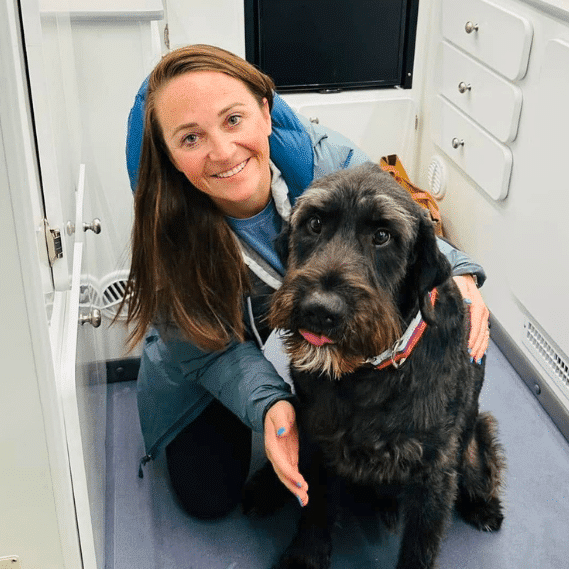
By Dr. Allie McPhee, DVM
Veterinarian & Founder, Mountain Town Veterinary Services, Park City, Utah
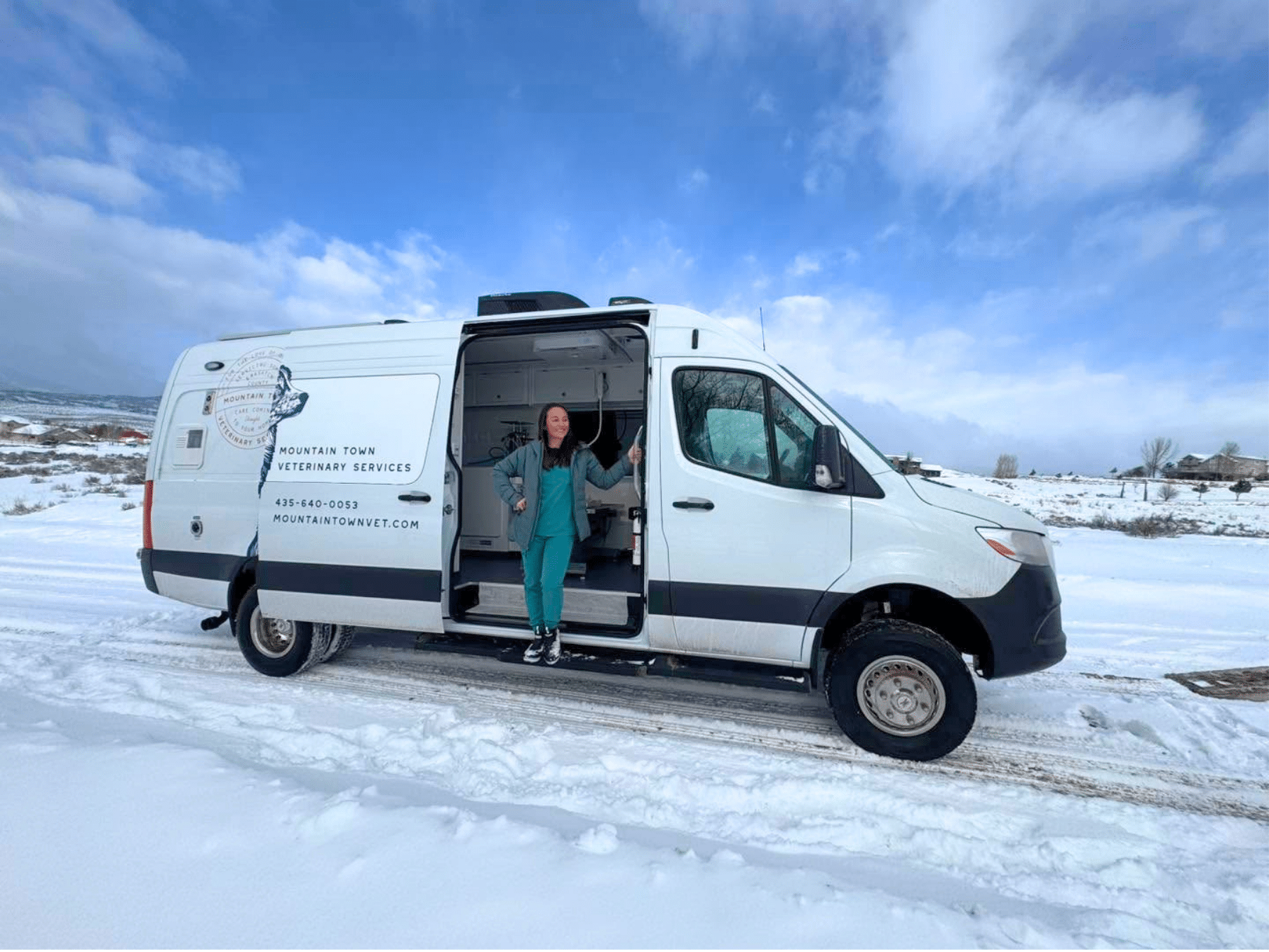
If you had asked me ten years ago what my career in veterinary medicine would look like, I would have painted a very different picture.
Like many veterinarians, my journey followed a traditional path. I studied Equine Sciences at Colorado State, went on to earn my DVM with honors, and completed a rigorous small animal rotating internship. I eventually found myself immersed in emergency and critical care—fast-paced, high-stakes medicine that pushed me to grow quickly as a clinician. For eight years, that world was everything I thought I wanted.
And in many ways, it was.
But life has a way of quietly shifting your priorities.
In 2022, I became a mother. And almost overnight, the rhythm of my life—once defined by overnight shifts, unpredictable hours, and constant urgency—no longer felt sustainable. I still loved medicine. I still felt deeply committed to my patients. But I began to question whether the structure I was working within truly aligned with the life I wanted to build.
At first, I tried to adapt within the system. I explored new opportunities, even helped launch a local urgent care model. It was a valuable experience, but ultimately, it didn’t give me what I was searching for: control over my time, deeper connections with clients, and the ability to be present for my family.
That’s when I began to seriously consider something I had once dismissed as too risky.
Mobile veterinary medicine.
Taking the Leap
I’ll be honest—at first, I was hesitant. The idea of stepping away from the security of traditional practice was intimidating. There were so many unknowns: logistics, finances, whether clients would even embrace the model.
But the more I looked into it, the more it made sense.
Mobile practice offered something I hadn’t experienced in years: autonomy. The ability to design my schedule, define my services, and practice medicine in a way that felt intentional rather than reactive. It wasn’t just about convenience—it was about reclaiming purpose.
So in early 2024, I started exploring the possibility more seriously. By summer, I committed to building out a mobile unit. There were months of planning—choosing a vehicle, designing the workspace, setting up suppliers, navigating licensing and insurance. It was, at times, overwhelming.
But it was also energizing in a way I hadn’t felt in years.
By February 2025, I officially opened Mountain Town Veterinary Services here in Park City.
My first day on the road, I remember thinking: this feels right.
A Different Kind of Practice
Today, my “clinic” comes to my patients.
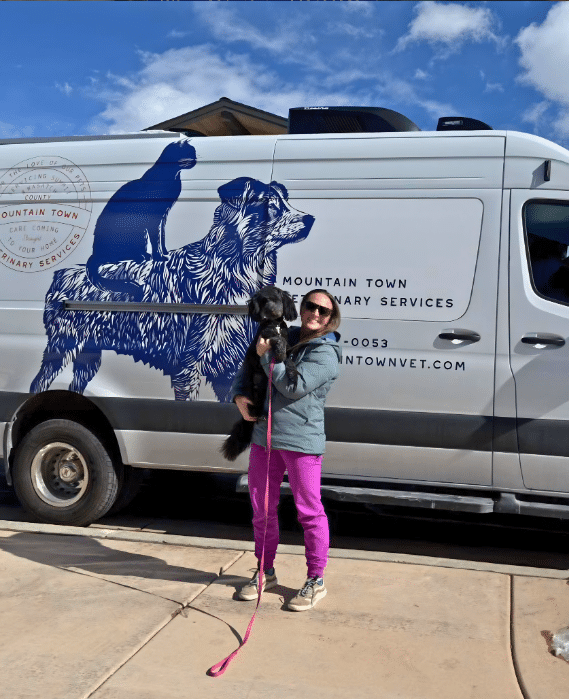
Instead of clients rushing into a busy waiting room, I pull up to their home. I meet pets where they are most comfortable—on their couch, in their yard, surrounded by familiar smells and routines. The difference in their demeanor is immediate. Less stress. Less fear. More trust.
And that changes everything about how I practice.
Appointments aren’t rushed. Conversations are more meaningful. I have the space to truly listen—to understand not just the medical issue, but the full picture of a pet’s life.
Mobile medicine also serves a wide range of clients in ways traditional clinics often struggle to. For elderly pet owners, it removes a major barrier to care. For busy families, it offers convenience without compromise. And for those facing end-of-life decisions, it provides a level of compassion and privacy that simply can’t be replicated in a clinical setting.
But perhaps the biggest shift has been personal.
I now have control over my schedule. I can build my day in a way that allows me to be both a veterinarian and a mother—without constantly feeling like I’m failing at one to succeed at the other.
That balance is something I once thought might not be possible in this profession.
The Reality Behind the Freedom
That said, mobile practice isn’t without its challenges.
When you run your own business, everything falls on you. There are no backup systems when something breaks—whether it’s equipment, your vehicle, or even your childcare plans. I’ve had my share of unexpected setbacks: equipment failures, logistical hiccups, even losing an entire batch of vaccines due to something as simple as a switch being turned off.
You learn quickly that adaptability is part of the job.
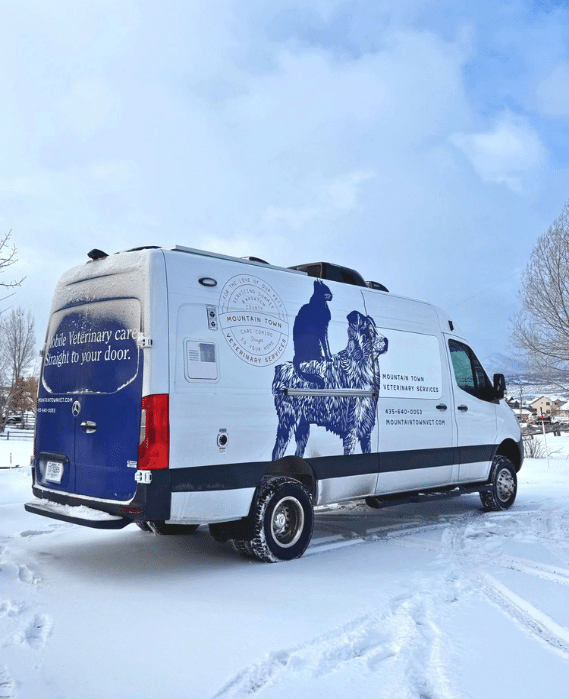
There are also constant decisions to make—what services to offer, how to manage inventory in a limited space, how to market effectively. Your vehicle becomes not just your clinic, but your brand. Every driveway you pull into, every errand you run—it’s all part of how people discover you.
But for me, those challenges are outweighed by what I’ve gained.
Redefining Success
Veterinary medicine is evolving. Corporate consolidation, staffing shortages, and increasing client demands are reshaping the landscape in ways that can feel overwhelming.
Mobile practice isn’t the solution for everyone—but it is a reminder that there are alternative paths.
For me, success no longer looks like the busiest schedule or the highest caseload. It looks like meaningful patient care, strong client relationships, and the ability to be present in my own life.
It looks like finishing a day of work and still having the energy—and time—to be with my child.
It looks like practicing medicine on my own terms.
If there’s one thing I’ve learned through this journey, it’s that your “why” matters more than your path. When you’re clear on what you need to feel fulfilled—personally and professionally—you can start to build a career that actually supports it.
For me, that meant stepping away from the clinic… and onto the road.
And I haven’t looked back.